Laying the foundation for data-driven customer and field service

If you ask service leaders to name the most important metrics to track for their customer service and field service teams, you’re likely to get a wide range of answers. This is because the world of service metrics is vast, and it can be challenging to determine which ones will provide the most valuable insights.
Gone are the days of relying solely on anecdotal evidence. Today, service leaders have access to a wealth of data that can be used to optimize operations, improve customer satisfaction, and drive business growth. By focusing on the right Key Performance Indicators (KPIs), service leaders can make data-driven decisions that enhance efficiency, reduce costs, and deliver exceptional customer experiences.
The specific KPIs that are most relevant for a service organization will depend on its unique goals and challenges. However, there are certain metrics that every service leader should consider tracking. Whether you’re managing a small customer support team or a large field service organization, the KPIs in this guide will provide a solid foundation for your analytics strategy.
Leveraging This Guide
In this guide, we’ll delve into essential metrics that service teams can use to gauge their performance. We’ll define each KPI, explain how to calculate it, and provide practical approaches to using visual guidance tools to drive performance improvements and related metrics.
The Importance of KPIs for Service Teams
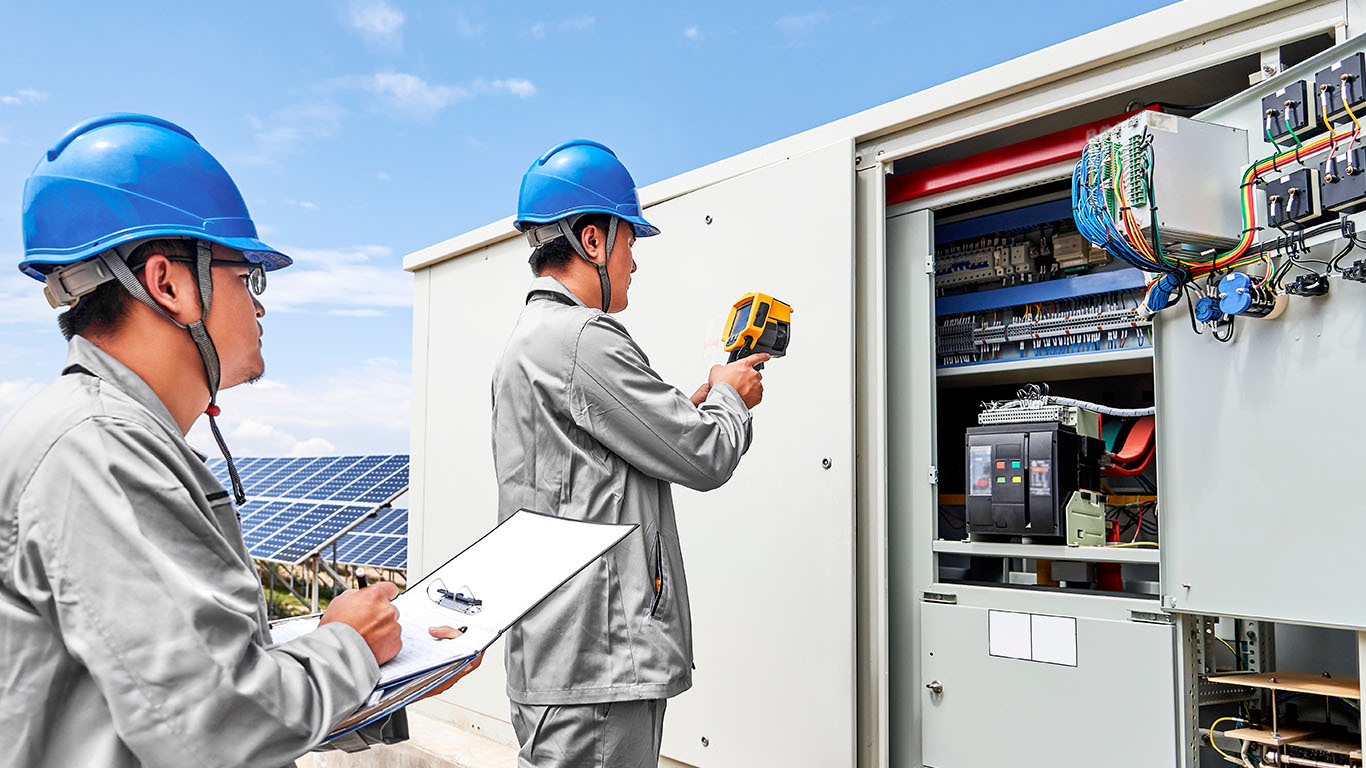
Key Performance Indicators (KPIs) are essential tools for measuring the success and effectiveness of customer service and field service teams. They provide valuable insights into team performance, identify areas for improvement, and help drive strategic decision-making.
By tracking and analyzing KPIs, service leaders can gain a deeper understanding of their team’s strengths and weaknesses. This knowledge enables them to make data-driven decisions, allocate resources more efficiently, and implement targeted improvements. Furthermore, KPIs can be used to benchmark performance against industry standards and competitors, fostering a culture of continuous improvement.
Ultimately, the goal of tracking KPIs is to ensure that service teams are meeting and exceeding customer expectations. By focusing on the right metrics, service leaders can optimize operations, enhance customer satisfaction, and drive business growth.
Visual Guidance Tools for Business Improvement
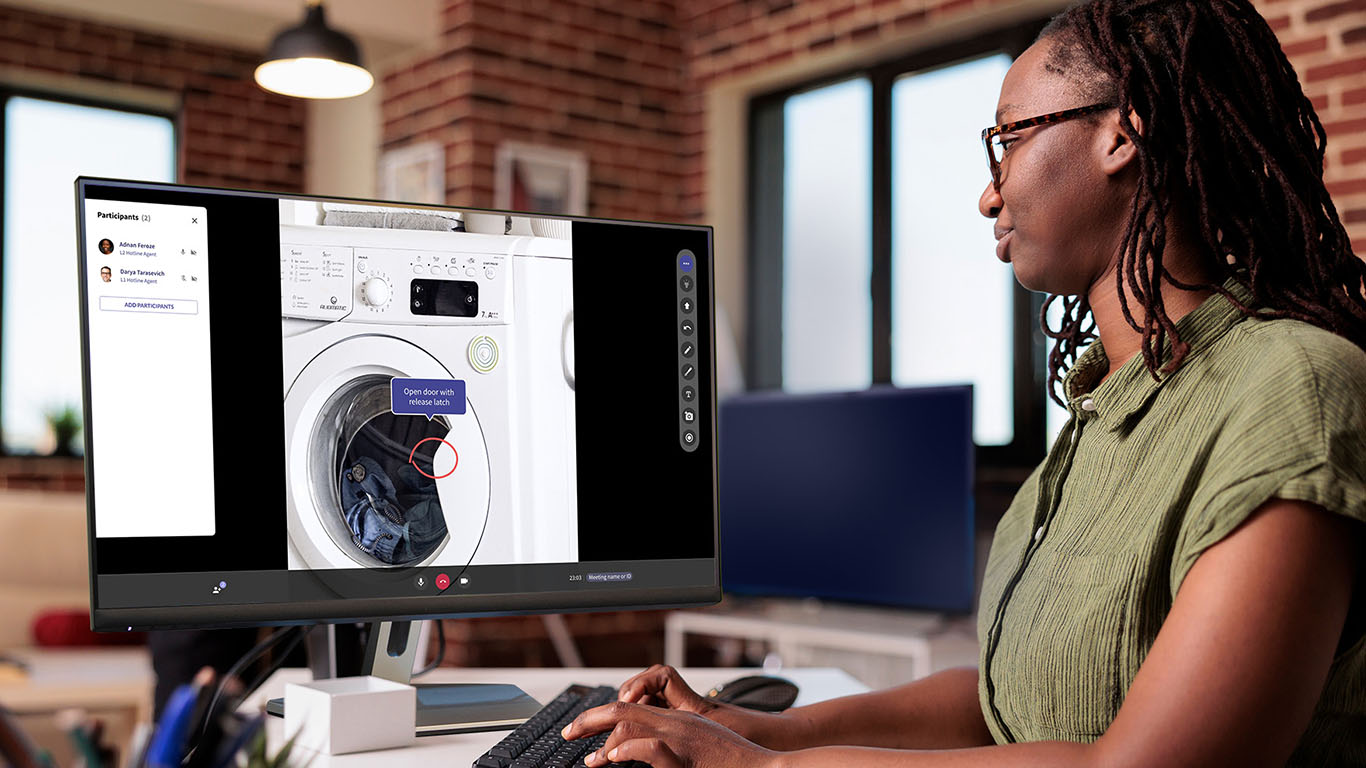
In today’s fast-paced business environment, efficiency and customer satisfaction are paramount. Customer service and field service teams often face challenges such as complex tasks, geographical limitations, and knowledge gaps. To overcome these hurdles, innovative technologies are emerging to streamline operations and enhance performance.
One such technology is augmented reality (AR), which overlays digital information onto the real world. AR-powered tools, like remote assistance and digital work instructions, offer a transformative approach to customer service and field service. These tools provide real-time visual guidance, reducing errors, improving response times, and enhancing customer experiences.
By using AR, businesses can empower their teams with the knowledge and tools needed to execute tasks efficiently and accurately. This, in turn, leads to improved customer satisfaction, increased productivity, and ultimately, stronger business outcomes.
CareAR: A Visual Guidance Platform
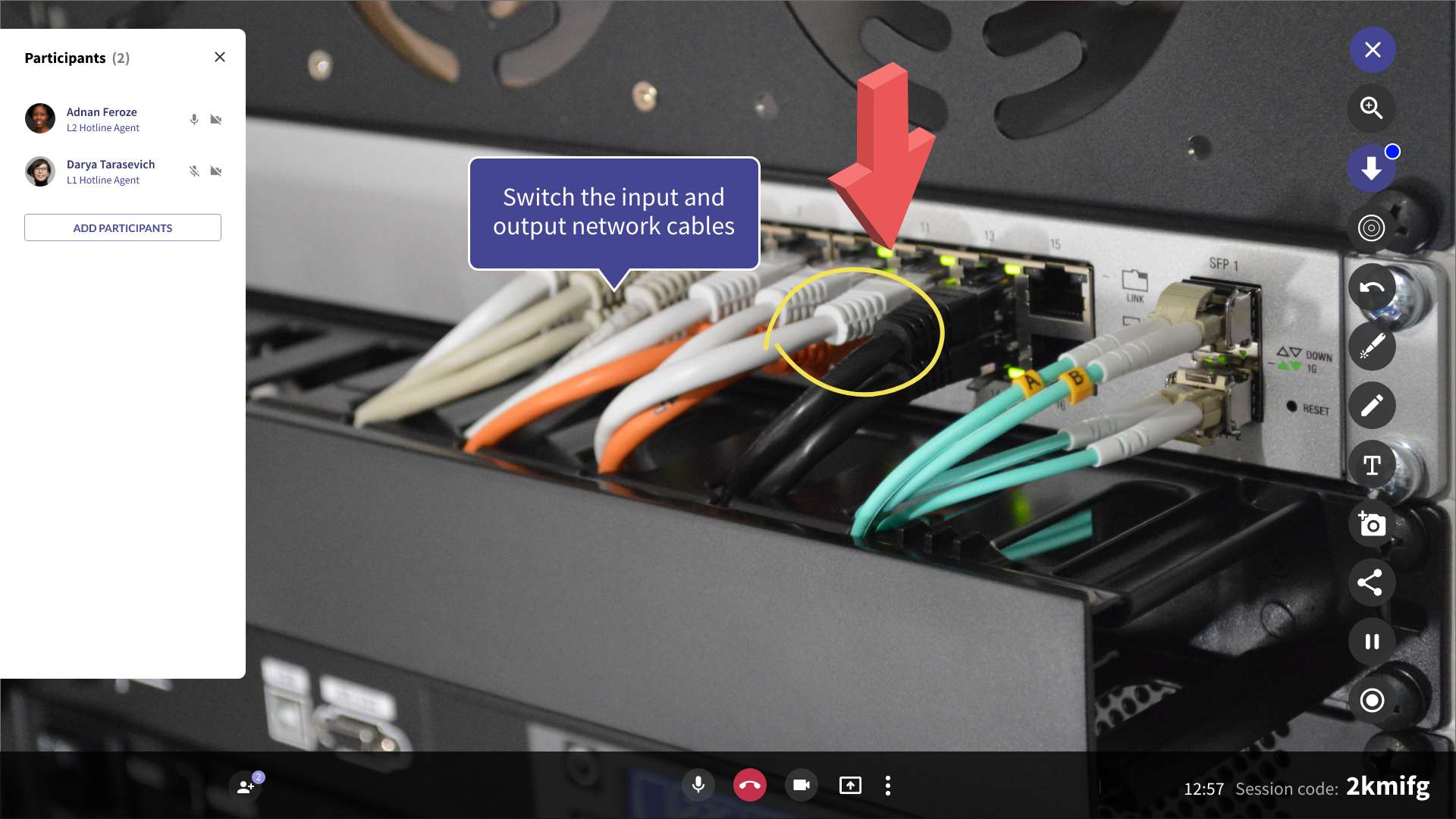
CareAR Assist
CareAR is a leading platform that uses augmented reality (AR) and artificial intelligence (AI) to provide real-time visual guidance and support. Its two primary tools, CareAR® Assist and CareAR® Instruct, offer innovative solutions for customer service and field service teams.
CareAR Assist enables remote experts to visually guide field technicians through complex tasks. By using AR, experts can annotate and highlight specific areas of the technician’s environment, providing step-by-step instructions and real-time feedback. This reduces troubleshooting time, minimizes errors, and ensures consistent service delivery.
CareAR Assist

CareAR Instruct
CareAR is a leading platform that leverages augmented reality (AR) and artificial intelligence (AI) to provide real-time visual guidance and support. Its two primary tools, CareAR® Assist and CareAR® Instruct, offer innovative solutions for customer service and field service teams.
CareAR Assist enables remote experts to visually guide field technicians through complex tasks. By using AR, experts can annotate and highlight specific areas of the technician’s environment, providing step-by-step instructions and real-time feedback. This reduces troubleshooting time, minimizes errors, and ensures consistent service delivery.

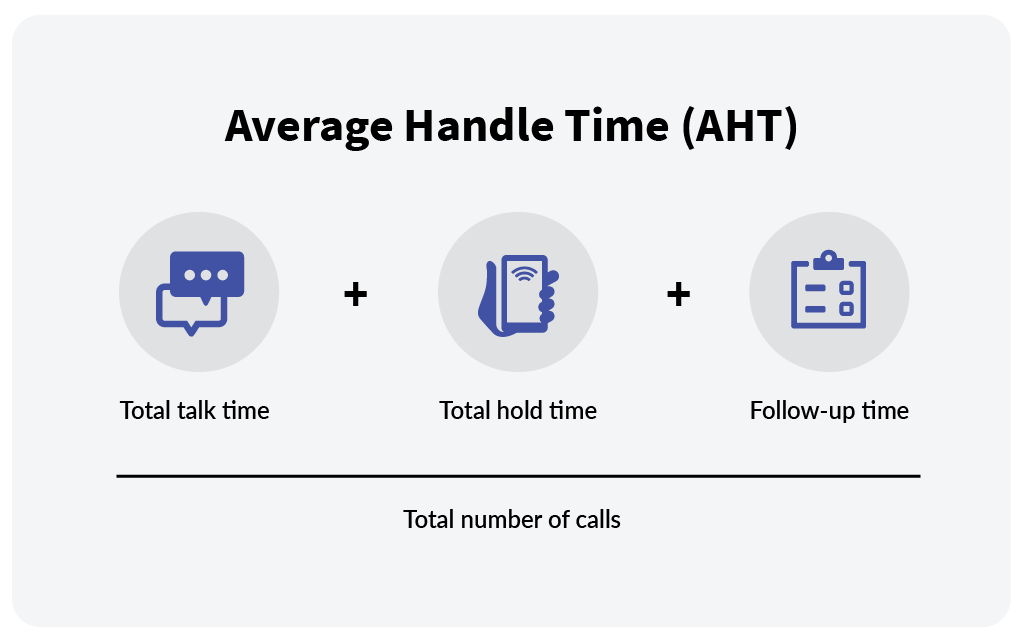
Average Handle Time (AHT)
KPI description:
The average length of time it takes a customer service or field service agent to resolve a customer’s issue.
How KPI is calculated:
AHT is calculated by dividing the total time spent handling calls or tasks by the total number of calls or tasks handled.
Why the KPI is important:
AHT is a critical metric for assessing agent efficiency and customer satisfaction. A lower AHT indicates that agents are resolving issues quickly and effectively, leading to improved customer experiences and reduced operational costs.
How CareAR can help improve the KPI:
Use Remote Visual Guidance to Assist Customers / Workers
CareAR Assist can significantly reduce AHT by providing real-time visual guidance and support. By using visual guidance, agents can guide customers and field technicians through complex tasks and troubleshoot issues. CareAR Assist can help agents resolve problems more efficiently and accurately, resulting in shorter call or task durations. Additionally, CareAR can reduce the need for multiple calls or visits by providing comprehensive and accurate information upfront.

D-Groupe Case Study
Logistics, repacking, and value-added delivery company D-Groupe improve average handle time by up to 70% using CareAR Assist.
%
Improved Average Handle Time

First Time Fix Rate (FTFR)
KPI description:
The percentage of customer issues or service calls that are resolved successfully on the first attempt.
How KPI is calculated:
FTFR is calculated by dividing the number of issues or calls resolved on the first attempt by the total number of issues or calls.
Why the KPI is important:
FTFR is a key indicator of service quality and customer satisfaction. A high FTFR means that agents are effectively addressing customer needs and minimizing the need for follow-up interactions. This leads to improved customer experiences and reduces operational costs.
How CareAR can help improve the KPI:
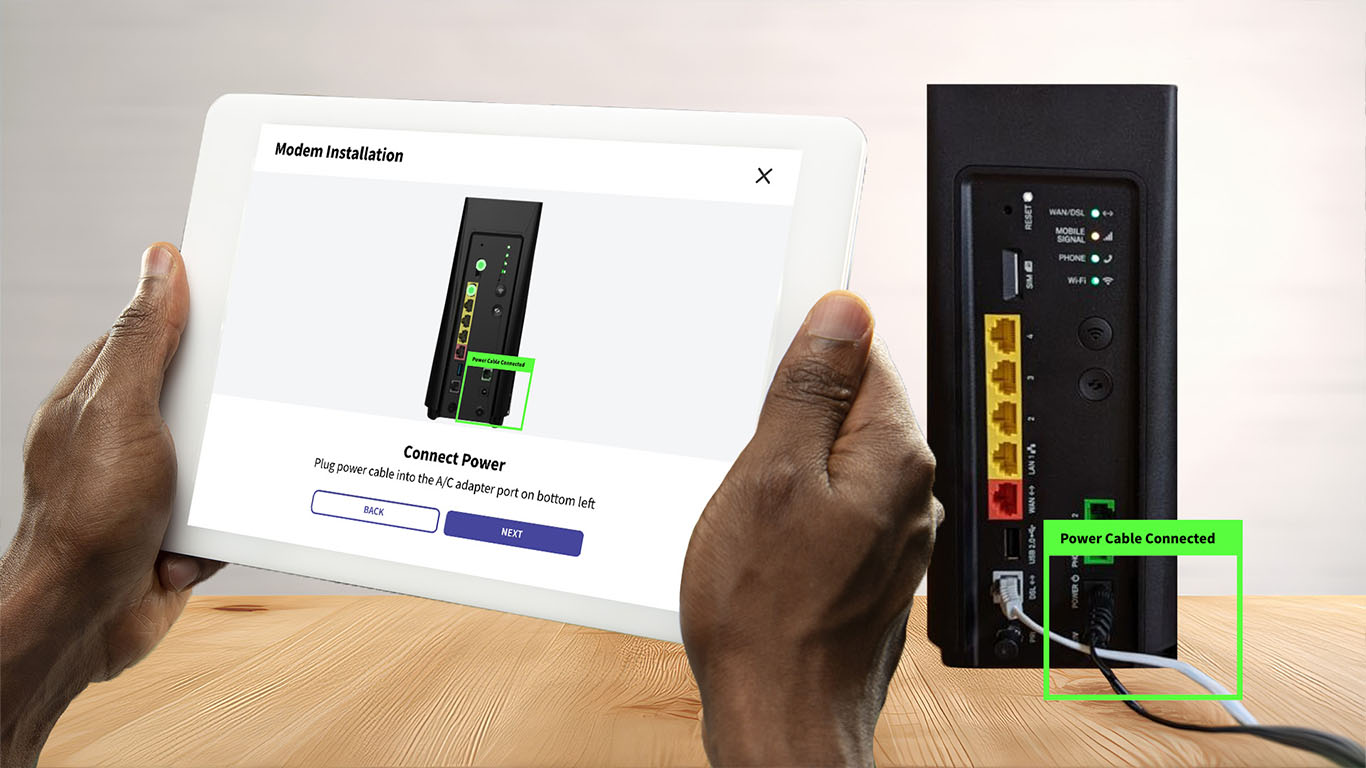
Use Digital Work Instructions to Enable Self-Solve
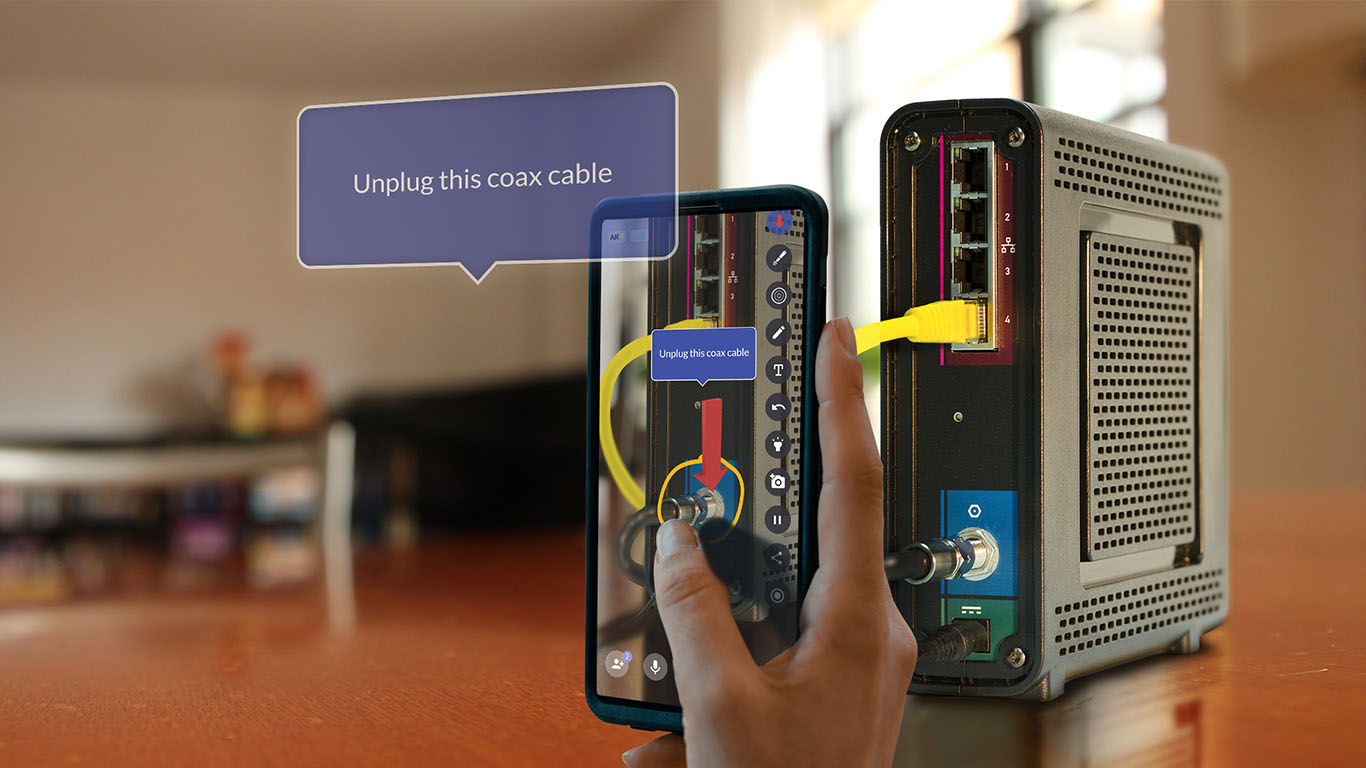
Use Remote Visual Guidance to Ensure Fix Accuracy
CES Case Study
Customer Engineering Services uses CareAR Assist to provide live remote visual assistance for their customers resulting in an 84% First Time Fix Rate.
%
First Time Fix Rate

Customer Satisfaction (CSAT)

KPI description:
A measure of how satisfied customers are with the service provided by a company.
How KPI is calculated:
Customer satisfaction is typically measured through surveys or feedback mechanisms, such as Net Promoter Score (NPS) or customer satisfaction surveys.
Why the KPI is important:
Customer satisfaction is a critical driver of business success. Satisfied customers are more likely to repeat business, recommend the company to others, and remain loyal.
How CareAR can help improve the KPI:
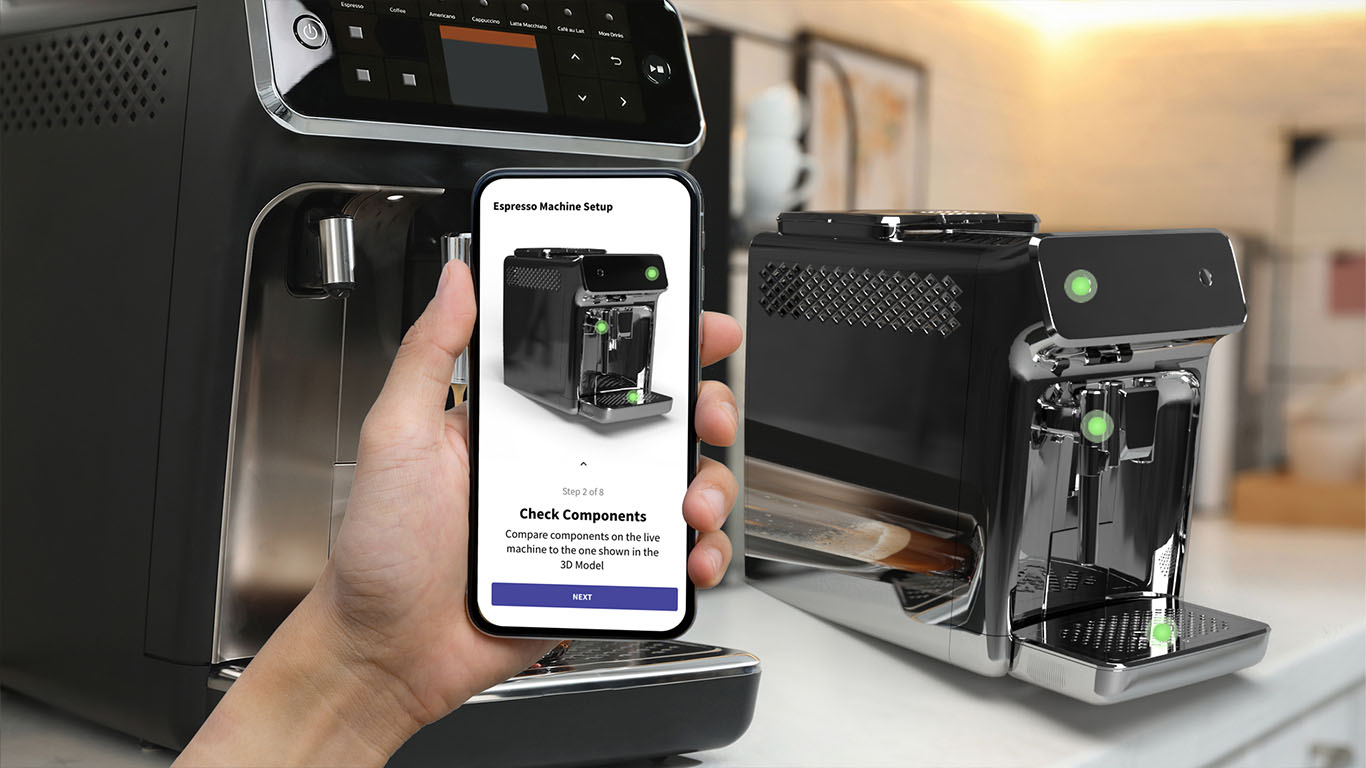
Empower Customers to Resolve Their Own Issues
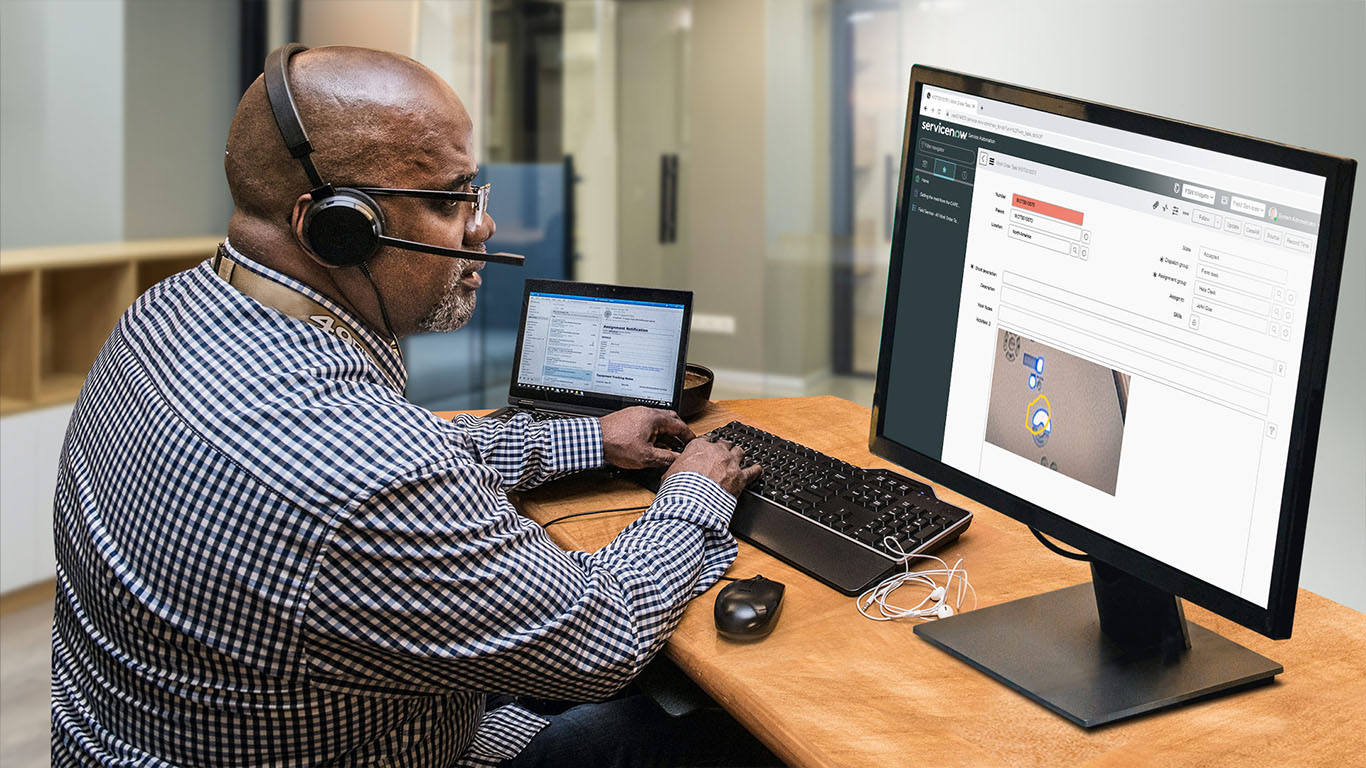
Solve Issues Fast and Accurately Using Remote Visual Assistance
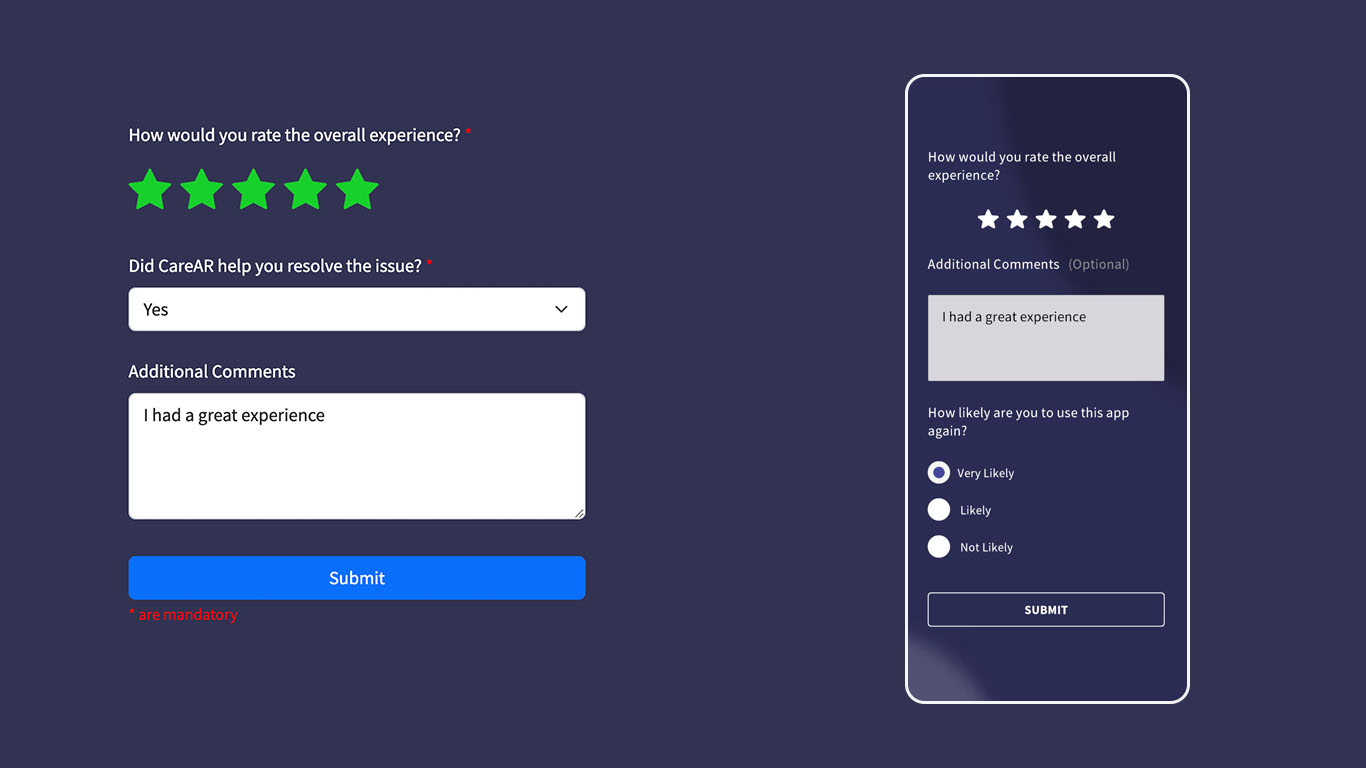
Measure Customer Satisfaction with Post-Assist Call Surveys

KPI
Net Promoter Score (NPS)

KPI description:
A metric that measures customer loyalty and willingness to recommend a company to others.
How KPI is calculated:
NPS is calculated by asking customers a single question: “On a scale of 0 to 10, how likely are you to recommend [company name] to a friend or colleague?” Customers are then categorized as Promoters (9-10), Passives (7-8), or Detractors (0-6). The NPS is calculated by subtracting the percentage of Detractors from the percentage of Promoters.
Why the KPI is important:
NPS is a widely used metric that provides valuable insights into customer loyalty and satisfaction. A high NPS indicates that customers are highly satisfied and likely to recommend the company, while a low NPS suggests that customers are dissatisfied and may churn.
How CareAR can help improve the KPI:
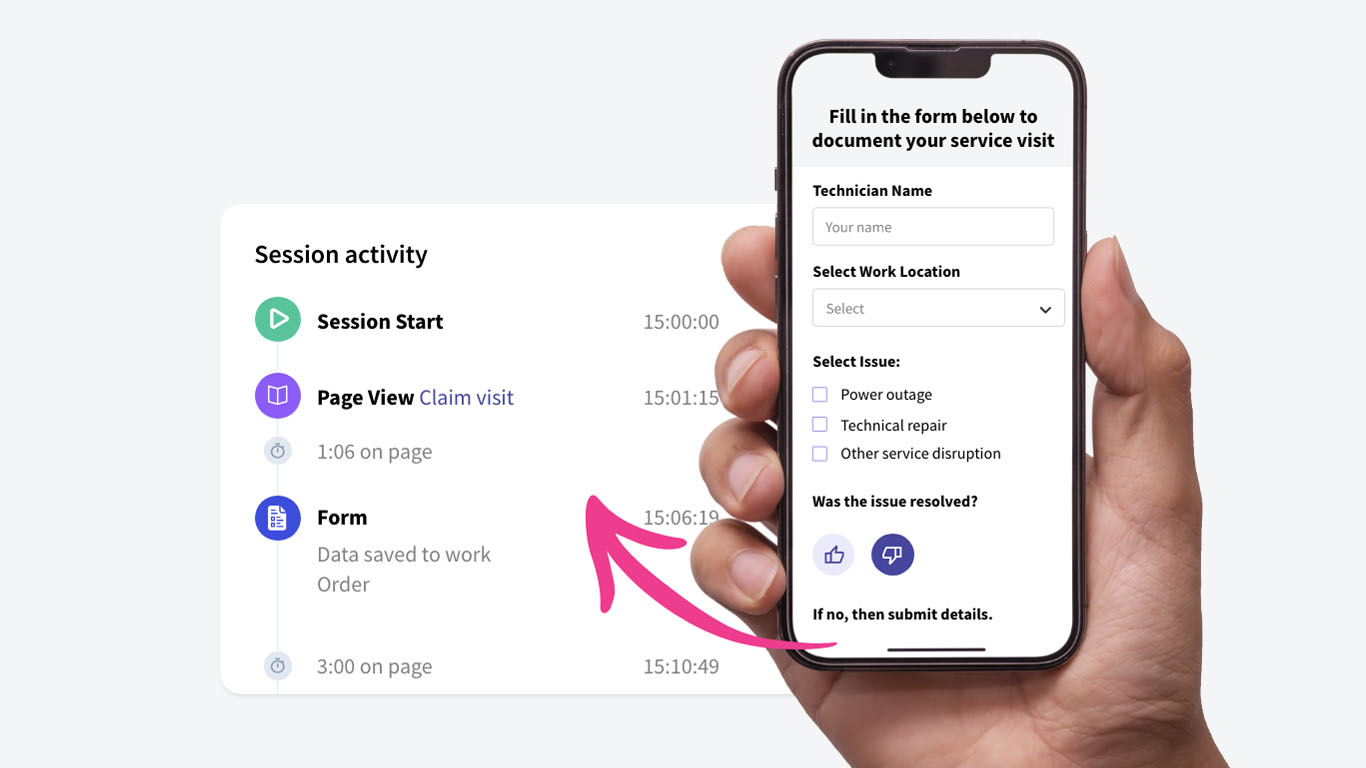
Measure NPS Directly Within Step-by-Step Instructions

Resolve Customer Issues Quickly with Remote Visual Assistance

Downtime or Uptime
KPI description:
Downtime refers to the time a system or equipment is out of service or not functioning properly. Uptime is the opposite, representing the time a system or equipment is operational.
How KPI is calculated:
Downtime can be calculated by measuring the duration of service interruptions. Uptime can be calculated by subtracting downtime from total operational time.
Why the KPI is important:
For field service teams, downtime can lead to customer dissatisfaction, lost revenue, and increased costs. Uptime is a critical indicator of availability, system reliability and efficiency. This KPI often reflects an organization’s operational maturity.
How CareAR can help improve the KPI:
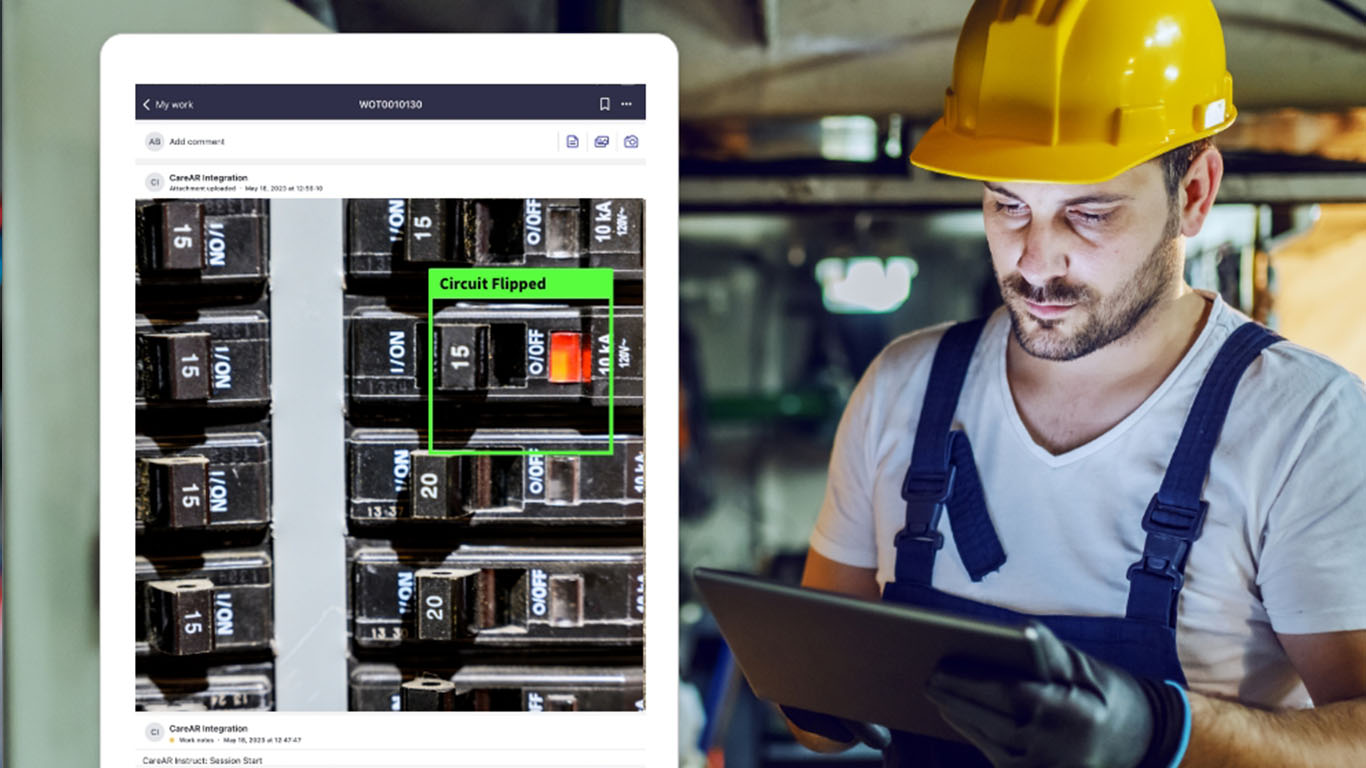
Empower Non-Experts to Fix Outages
Reduce Downtime with Remote Expert Guidance

Customer Case Study
A leading freight railway transportation company used CareAR Assist to improve locomotive repair time resulting in reduced downtime by 52%.
%
Reduce Downtime

Truck Roll
KPI description:
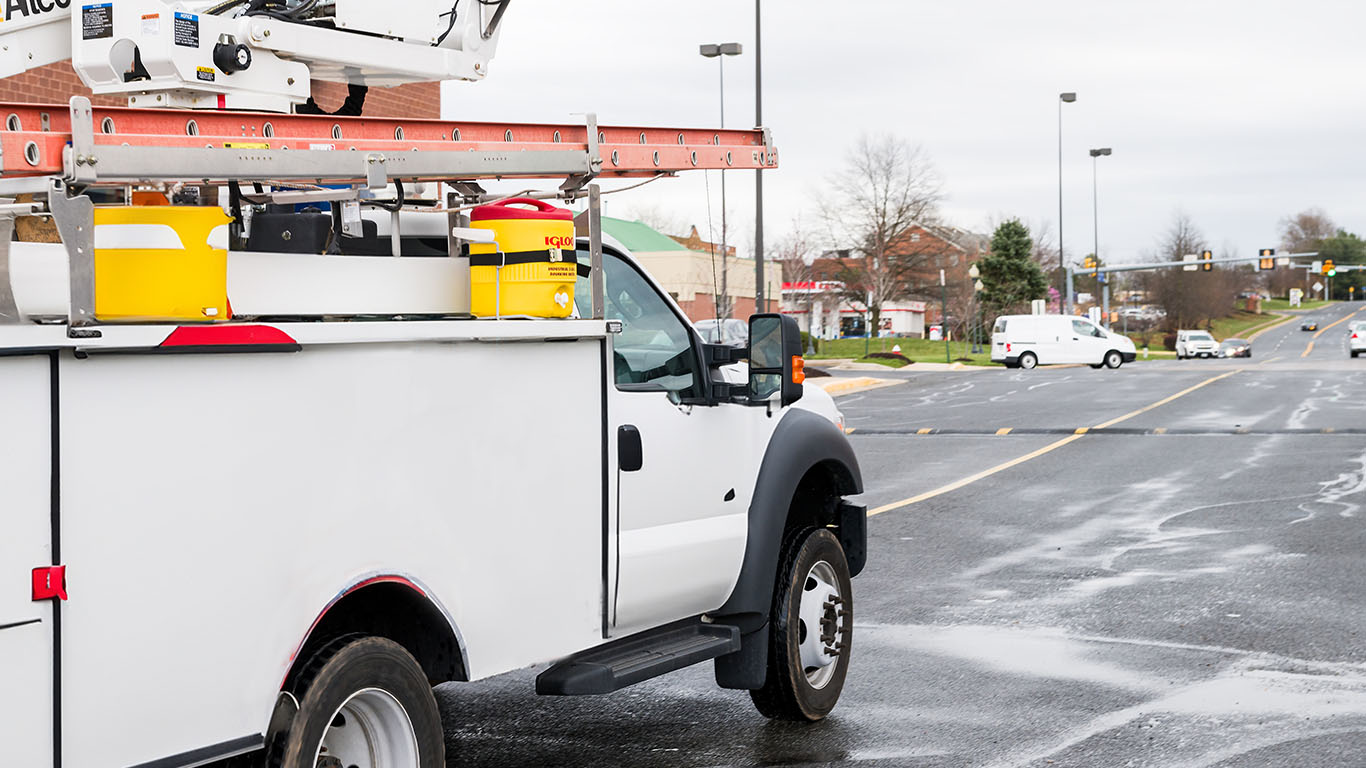
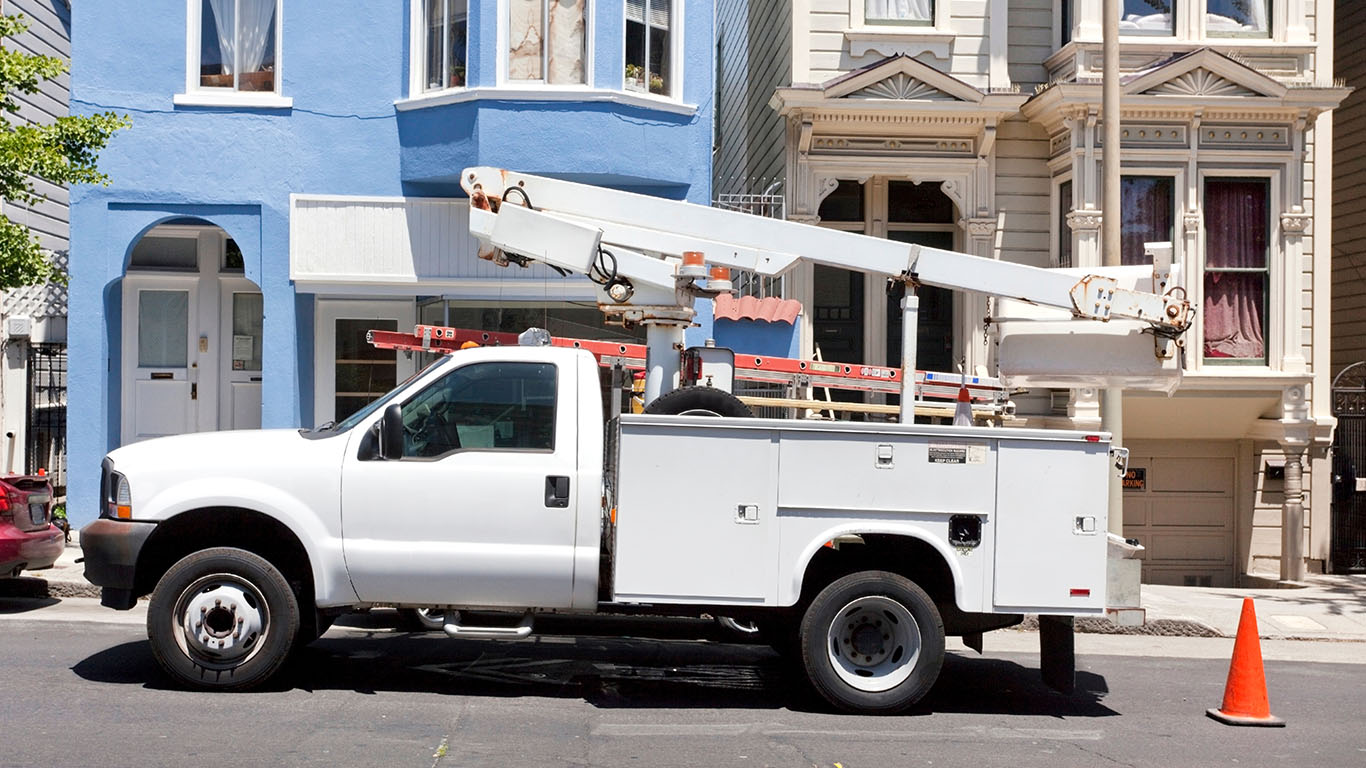
The number of times a technician must visit a customer’s site to resolve an issue.
How KPI is calculated:
Truck rolls are counted each time a technician visits a customer’s location to address a problem.
Why the KPI is important:
Reducing truck rolls is crucial for field service teams as it can save time, fuel costs, and improve customer satisfaction. Fewer truck rolls mean more efficient operations and lower costs.
How CareAR can help improve the KPI:
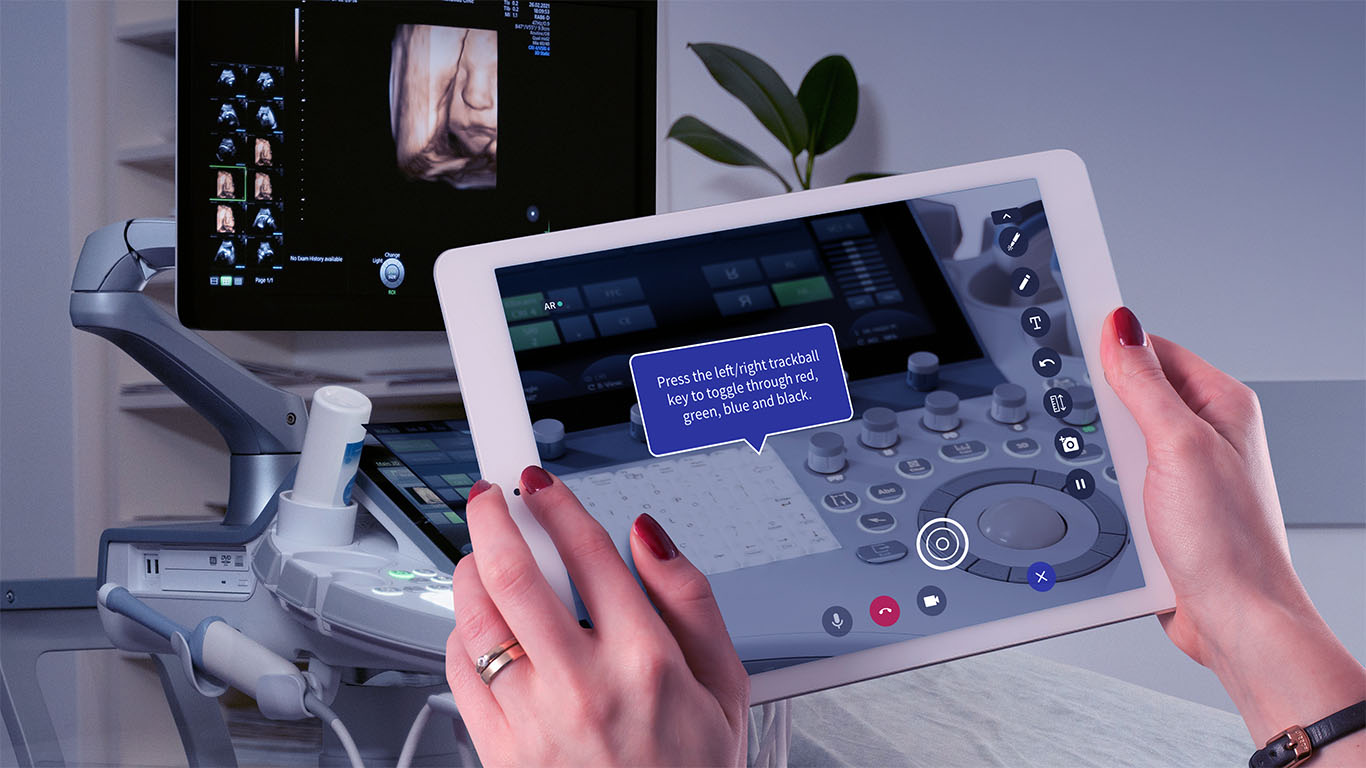
Avoid Truck rolls with Remote Visual Assistance
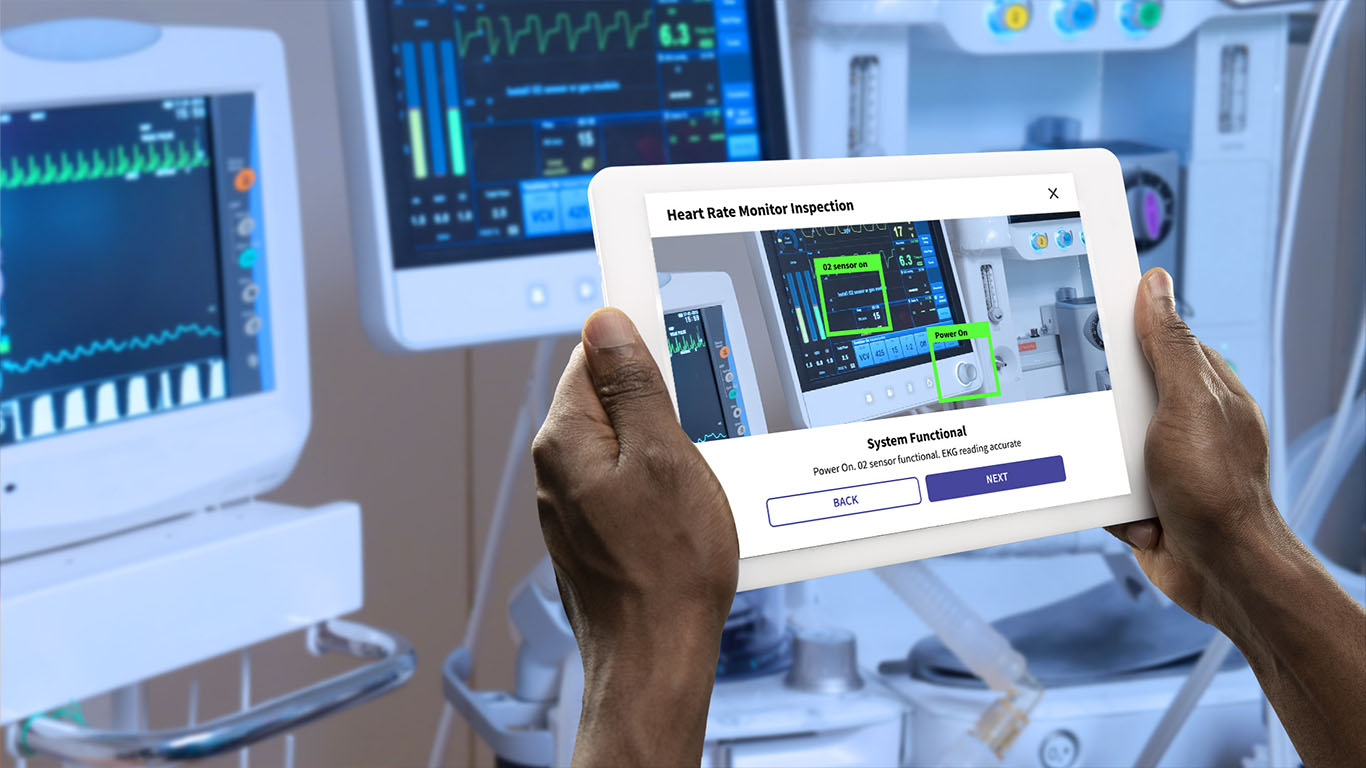
Share Vital Information to Technician While Onsite

Repeat Truck Roll
KPI description:
The number of times a technician must return to a customer’s site to resolve the same issue.
How KPI is calculated:
Repeat truck rolls are counted when a technician visits a customer’s location to address a problem that has already been resolved or partially resolved.
Why the KPI is important:
Reducing repeat truck rolls is crucial for field service teams as it can save time, fuel costs, and improve customer satisfaction. Repeat truck rolls indicate a failure to address the root cause of the problem, leading to increased costs and customer frustration.
How CareAR can help improve the KPI:
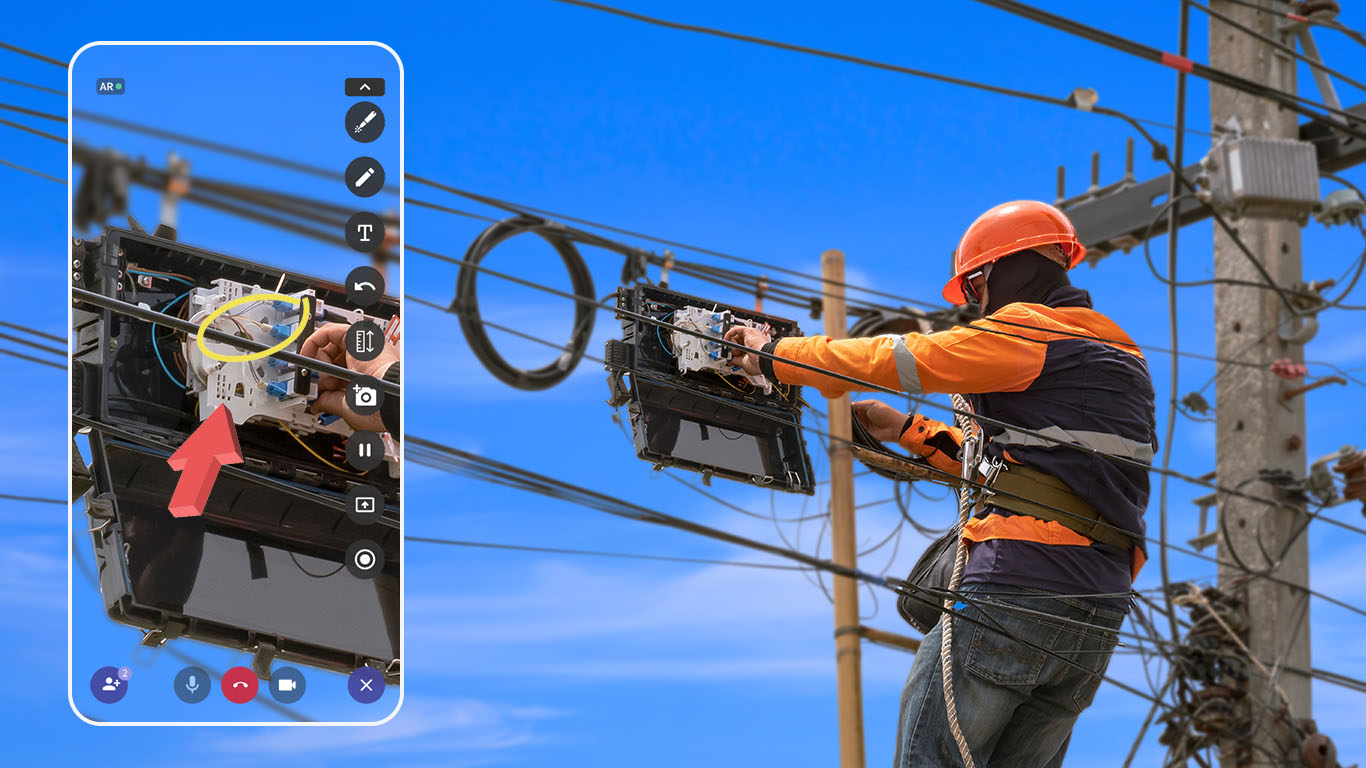
Backup Inexperienced Technicians with Remote Expertise

Equip Field Technicians with Instructions to Complete the Job
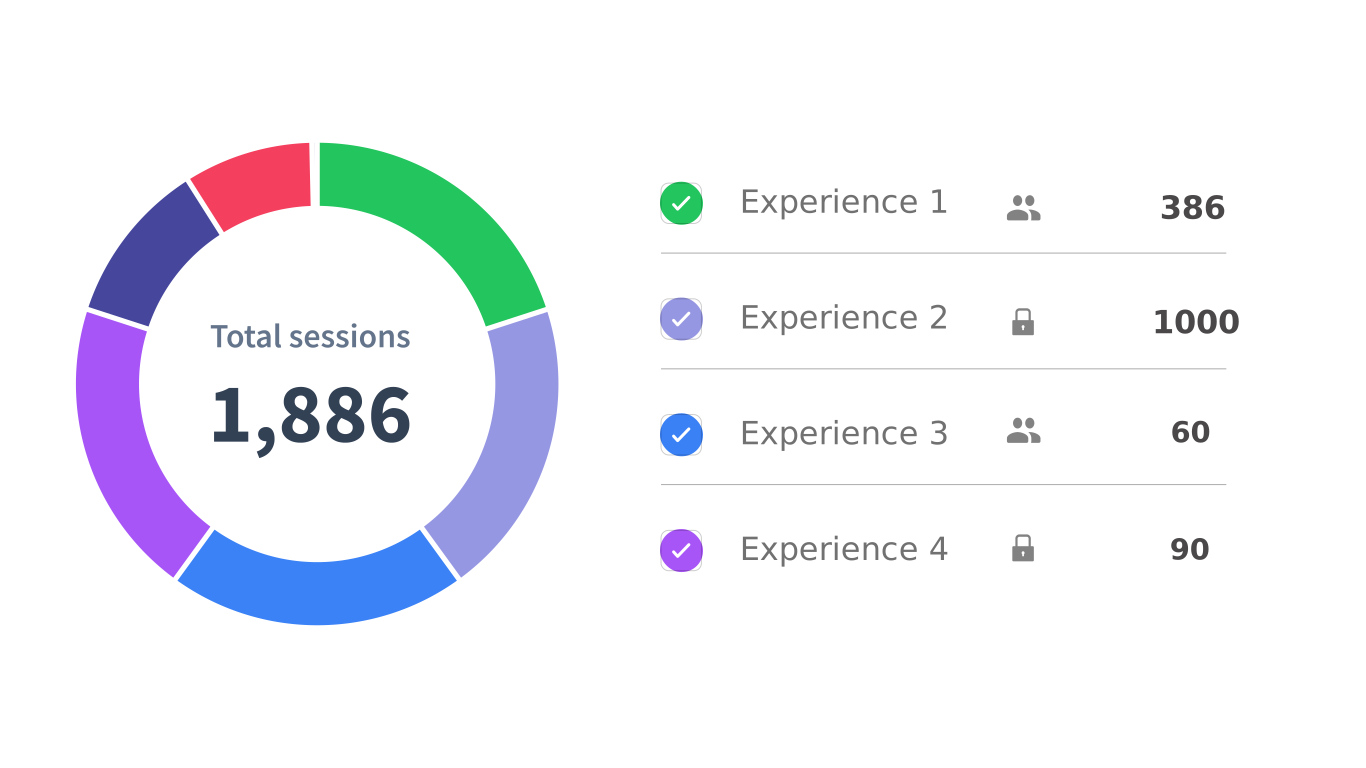
Check Technician Effectiveness Using Analytics

KPI
Product Returns

KPI description:
The number of products returned by customers due to defects, damage, or other reasons.
How KPI is calculated:
Product returns are counted based on the number of items returned by customers.
Why the KPI is important:
Reducing product returns is crucial for businesses as it can save costs, improve customer satisfaction, and reduce waste. High return rates can negatively impact profitability and brand reputation.
How CareAR can help improve the KPI:

Empower Customers to Self-Solve Product Issues
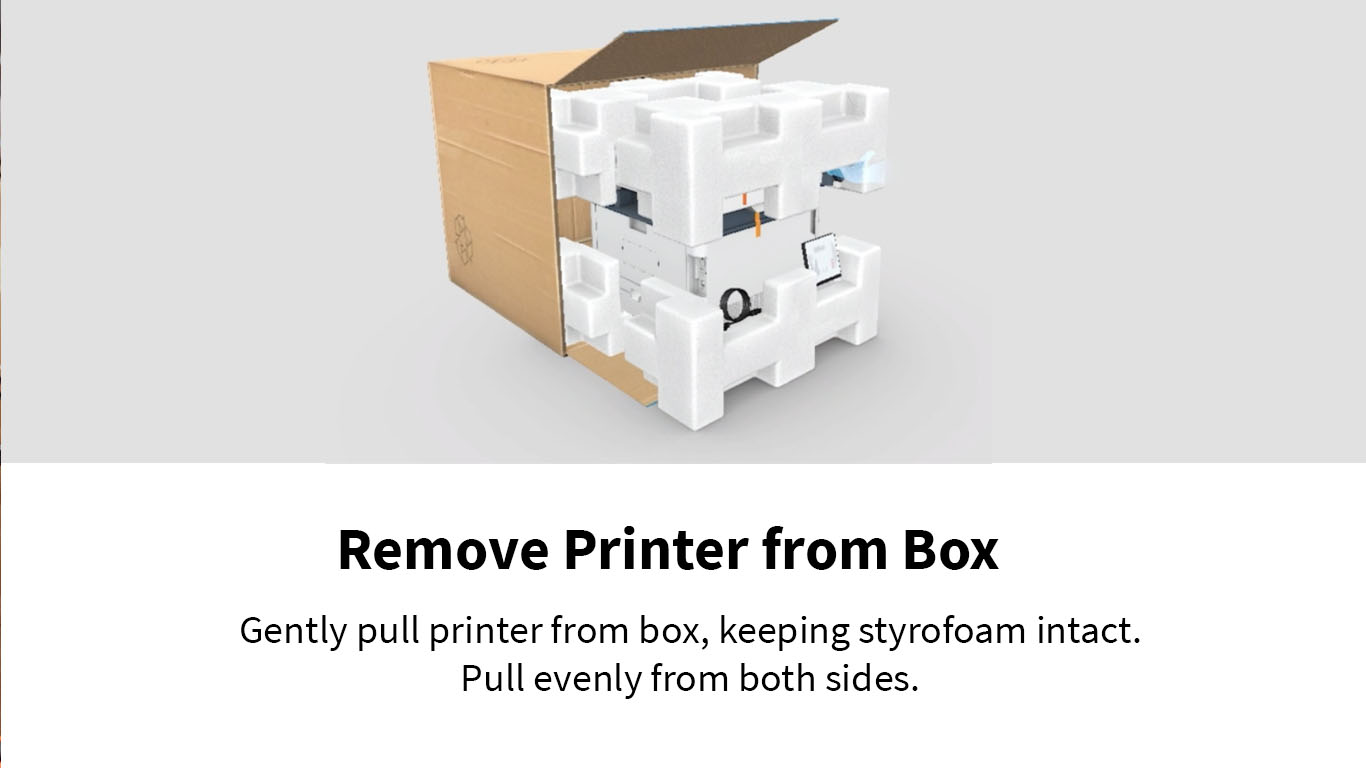
Deliver Onboarding and Product Guides for Product Activation
When service team performance matters

KPIs provide a quantitative measure of success, allowing leaders to assess their team’s effectiveness in meeting service level agreements, reducing customer churn, and improving overall operational efficiency. This data-driven approach enables leaders to identify trends, anticipate challenges, and proactively implement strategies to address them. Moreover, KPIs can be used to foster a culture of accountability and continuous improvement within the service organization..
In today’s competitive landscape, where customer expectations are constantly evolving, service leaders must be equipped with the tools and insights to deliver exceptional experiences. By using KPIs, leaders can ensure that their teams are aligned with organizational goals, delivering value to customers, and driving sustainable business success.
Contact us if you want to learn how our experts can help you be successful.
About CareAR
CareAR, A Xerox Company, is the Service Experience Management (SXM) leader. We make expertise accessible instantly for users through remote, live visual augmented reality and AI-driven interactions, instructions, and insights as part of a seamless digital workflow experience. CareAR sets the benchmark for the SXM category by bridging skills gaps, accelerating knowledge transfers, providing greater operational efficiencies, and enhancing customer outcomes and safety. Learn more at CareAR.com
© 2024 CareAR, A Xerox Company. All Rights Reserved